
Salmonella in the Environment
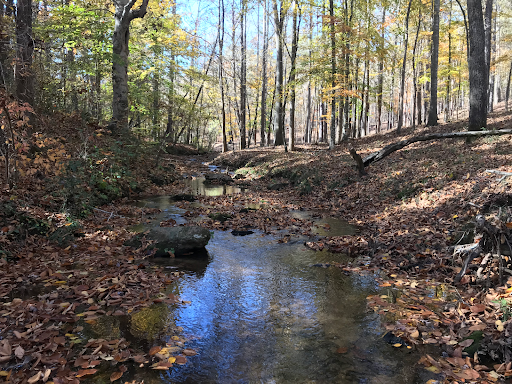
The 2019 IFSAC report estimated that about 40% of Salmonella outbreaks were caused by the consumption of contaminated fresh produce. Because fruits and vegetables are often consumed raw, contamination by foodborne pathogens such as Salmonella is a significant problem for the industry. Our lab studies two vectors of Salmonella transmission to produce: freshwater and wild birds.
Salmonella in fresh water
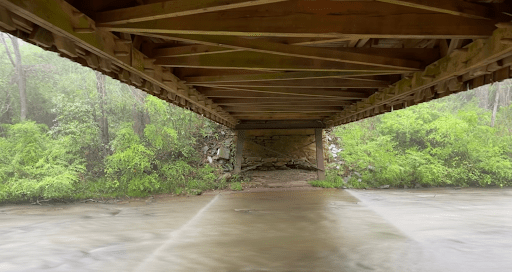
Despite being an enteric pathogen, Salmonella can survive in freshwater. Earlier studies from our lab showed that Salmonella serovar populations in water are highly diverse. In on-going work, we are assessing the role of different land-use in influencing Salmonella found in water, and the persistence of different serovars across different watersheds.
Wild Birds
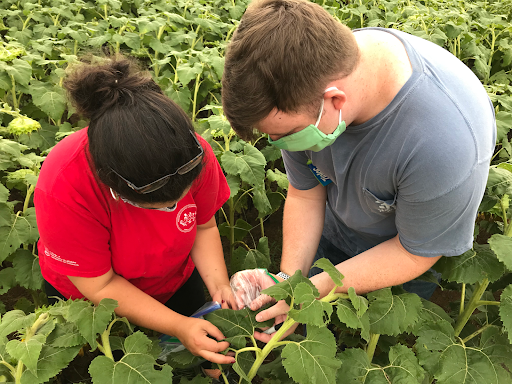
In a 2-year study funded by the Center for Produce Safety, we are seeking to identify the risk of Salmonella and Campylobacter associated with wild birds by collecting fecal samples on produce fields throughout the Southeastern United States and determining viable pathogen prevalence. In addition, we are identifying population diversity of these samples. The information from this study will be used to develop relevant on-farm bird controls.
Relevant papers:
 Shariat Lab at the University of Georgia